Recognizing Carpal Tunnel Syndrome and Its Warning Signs

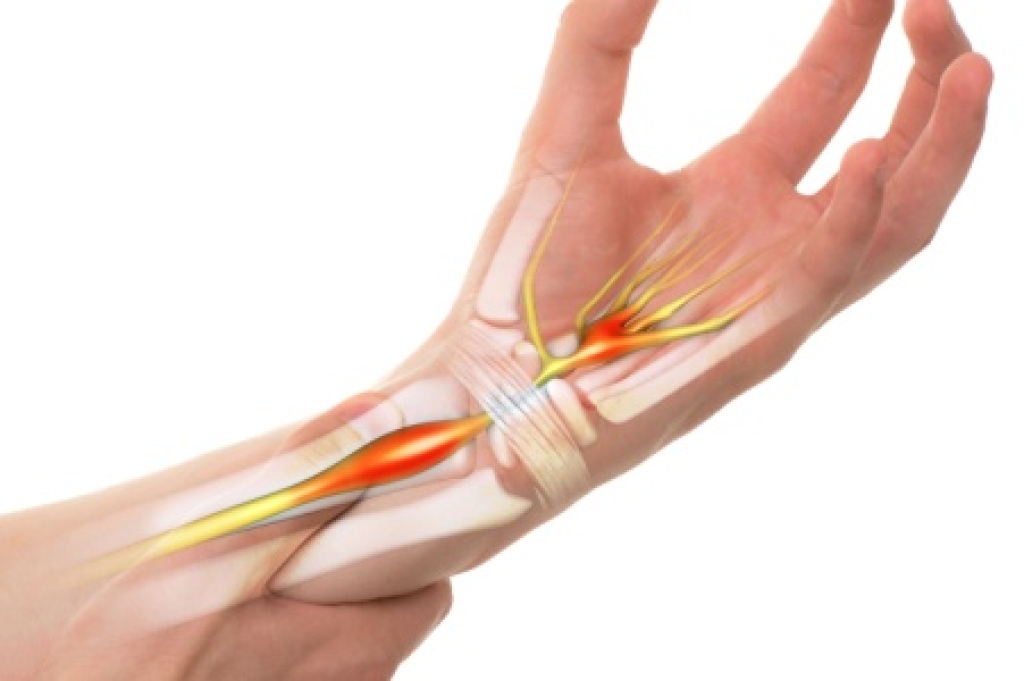
Carpal tunnel syndrome is a nerve condition that affects the hand and wrist. It develops when pressure is placed on the median nerve as it passes through the carpal tunnel, a narrow passage in the wrist. This nerve controls sensation and movement in parts of the hand, so compression can interfere with normal function. Carpal tunnel syndrome often develops gradually and is frequently associated with repetitive hand use and wrist positioning. Understanding how this condition forms is important for early recognition and proper care.

Symptoms of carpal tunnel syndrome often begin with mild discomfort and progress over time. Many individuals report pins and needles sensations, numbness, and tingling in the thumb, index, middle, and part of the ring finger. A key feature is that the little finger and half of the ring finger are not affected. Night time pain is common and may disturb sleep. Weakness in the hand and a tendency to drop objects can also develop as the condition advances.


The primary cause of carpal tunnel syndrome is increased pressure within the wrist that compresses the median nerve. This can occur due to repetitive movements, prolonged wrist flexion, or swelling within the tunnel. Arthritis may contribute by causing joint inflammation, while pregnancy and hormonal changes can lead to fluid retention that increases pressure. These factors can narrow the space in the wrist and irritate the nerve, leading to persistent symptoms.


Risk factors include repetitive hand use, poor ergonomic positioning, pregnancy, and conditions that cause inflammation or fluid retention. Individuals who perform detailed hand work or spend long hours typing may be more susceptible. Early management can help prevent progression and improve function. If you have symptoms of carpal tunnel syndrome, it is suggested that you consult a chiropractor to explore effective relief and management solutions.

Carpal Tunnel Syndrome

Carpal tunnel syndrome, or CTS, is a condition caused by compression of the median nerve, which runs through the carpal tunnel in the wrist. This tunnel is a narrow passageway surrounded by bones and ligaments, and when it becomes compressed or inflamed, it can put pressure on the nerve. Symptoms of CTS include tingling, numbness, weakness, and pain in the hand and fingers, often making simple tasks difficult and uncomfortable.

Chiropractic care offers a non-invasive approach to managing CTS by addressing alignment and reducing nerve pressure. Chiropractors start by evaluating the wrist, elbow, and even the cervical spine or neck, as misalignments in these areas can contribute to nerve compression in the wrist. Through gentle adjustments, chiropractors can improve the alignment of the wrist and spine, helping to reduce the pressure on the median nerve.

In addition to adjustments, chiropractors may use soft tissue therapy, such as stretching and myofascial release, to reduce inflammation surrounding the wrist and enhance mobility.

Why Consider Chiropractic for CTS?

Chiropractic care can provide lasting relief by targeting the root causes of CTS, reducing pain, and promoting long-term hand and wrist health.

Can Chiropractic Care Address Repetitive Strain as a Cause of CTS?

Chiropractic care can help manage repetitive strain by improving joint alignment and recommending ergonomic adjustments.

If you have any questions, please feel free to contact our office located in Columbia MO .

 

Read more about Carpal Tunnel Syndrome

Carpal Tunnel Syndrome

Carpal tunnel syndrome, or CTS affects millions of people, causing discomfort and limiting hand function. It occurs when the median nerve, which runs through the wrist’s carpal tunnel, is compressed. This nerve compression can lead to symptoms like tingling, numbness, and pain in the fingers, hand, and sometimes even up the arm. Repetitive hand movements, poor posture, or prolonged computer use often contribute to CTS by increasing stress on the wrist.

Chiropractors approach CTS by looking beyond the wrist alone. They understand that nerve compression can be affected by alignment in the spine, shoulder, and elbow, all of which influence the arm’s nerve pathways. Chiropractic adjustments focus on restoring alignment to these areas, particularly the neck and upper back, which may reduce tension along the entire nerve pathway.

Besides adjustments, chiropractors may use soft tissue techniques to relieve muscle tightness surrounding the wrist and arm, easing pressure on the nerve. They often recommend exercises to improve flexibility and strength, which can help maintain proper wrist function and prevent future issues. Chiropractic care for CTS is a holistic, non-surgical approach that can provide lasting relief by focusing on both the immediate symptoms and underlying structural issues contributing to the condition.

For more information or to discuss if chiropractic care is suitable for you, contact Active Life Chiropractic at Columbia MO .

When to Seek Care for Persistent Headaches

Headaches can range from mild discomfort to severe pain that interferes with work, school, and daily activities. They develop for many reasons, and understanding the cause is an important step toward effective care. Primary headaches include tension-type headaches, migraines, and cluster headaches. Secondary headaches result from another condition, including an illness or injury. Symptoms vary depending on the type of headache and can include pressure, throbbing, or nausea. Some headaches also develop alongside neck pain or muscle tension, making it important to evaluate how the neck and upper back move and function. Identifying the pattern of symptoms helps guide the most appropriate treatment approach.

A chiropractor evaluates the spine, posture, joint movement, and muscle function to determine whether problems involving the neck or upper back could contribute to certain headaches, particularly those related to the neck. Chiropractic care includes gentle joint techniques, soft-tissue treatment, and personalized exercises that improve flexibility, strength, and movement. Improving joint mobility and reducing muscle tension can support healthier movement patterns and help reduce mechanical stress affecting the neck. Regular evaluations also help monitor changes in symptoms and guide care based on how the body responds throughout treatment.

Not every headache has the same cause, and some require immediate medical attention. A sudden, severe headache, headache after a significant injury, or headache accompanied by weakness, vision changes, or difficulty speaking should never be ignored. Ongoing or frequently recurring headaches also deserve careful evaluation to identify possible contributing factors. A chiropractor can assess musculoskeletal conditions that may play a role in certain headache patterns and determine whether chiropractic care is appropriate. Early evaluation can improve comfort, support healthier movement, and encourage better function throughout daily activities. If you have frequent headaches , it is suggested that you schedule an appointment with a chiropractor for  a diagnosis and appropriate treatment.

Headaches are a widespread issue, often caused by stress, poor posture, or tension in the neck and shoulders. They can range from dull, persistent discomfort to sharp, debilitating pain, interfering with daily activities and reducing quality of life. Muscle tension and joint misalignments in the cervical spine are frequent contributors to headaches, particularly tension and neck-related headaches. Ignoring these issues can result in recurring or worsening symptoms.
Chiropractic care offers a non-invasive, drug-free solution for headache relief. Chiropractors assess spinal alignment and posture to identify factors contributing to the pain. Treatment may include precise spinal adjustments to reduce pressure on nerves, relax tight muscles, and improve mobility.
1. Are headaches ever caused by issues in the lower spine?
While less common, misalignments in the lower spine can create compensatory issues throughout the body, including tension in the neck and shoulders, which may contribute to headaches.
2. How does chiropractic care address sinus headaches?
Chiropractors can perform gentle adjustments and soft tissue work around the neck and upper back to improve drainage and reduce sinus pressure, providing relief from sinus-related headaches.
If you have any questions please feel free to contact our office located in Columbia MO
 

Read more about Headaches

Headaches

Headaches can disrupt focus and productivity, whether caused by tension, poor alignment, or physical strain. They are often linked to tight muscles or joint issues in the neck and upper back, creating pressure that triggers discomfort or pain. Persistent headaches not only affect physical health but also take a toll on mental and emotional well-being.

Chiropractors approach headaches by addressing their underlying causes rather than merely treating the symptoms. Through a detailed assessment, they identify how misalignments or muscle imbalances contribute to pain. Spinal adjustments are commonly used to improve alignment and reduce nerve irritation. Complementary techniques, including targeted exercises, ergonomic advice, and stress management, are also employed to enhance recovery. By focusing on overall spinal health, chiropractic care helps reduce headache frequency and intensity while supporting long-term wellness.

How Chiropractic Care Can Help Shoulder Pain

Shoulder pain can make everyday movements more difficult, from reaching for an item on a shelf to lifting objects at work. The shoulder is a complex joint that allows the arm to move in many directions. Because of this wide range of motion, the shoulder depends on muscles, tendons, and ligaments to provide stability. Tendons connect muscles to bones, while ligaments connect bones and help support joints. Shoulder pain can develop after an injury, repeated strain, or changes affecting the tissues around the joint. Symptoms include aching, stiffness, weakness, and reduced movement. Some patients also notice pain that travels into the neck or upper arm. A careful evaluation helps identify the cause of discomfort and guides the right treatment approach.

A chiropractor performs a thorough examination to understand how shoulder pain is affecting movement and overall function. The evaluation includes checking range of motion, muscle strength, posture, and joint mobility. The neck, upper back, and surrounding joints are also evaluated because these areas can influence shoulder movement. Chiropractic care includes gentle joint adjustments, soft-tissue therapy, and exercises that improve strength and flexibility. Treatment focuses on restoring healthier movement while reducing stress on the shoulder and nearby tissues. A chiropractor also evaluates body mechanics, because poor posture and movement patterns can increase strain on the shoulder and contribute to ongoing discomfort.

Research shows that shoulder pain can result from several causes, making a detailed examination important for creating an effective treatment plan. Chiropractic care supports better shoulder function by improving joint mobility and helping the body move more efficiently. Better movement can reduce unnecessary strain and improve comfort during daily activities. Treatment plans are personalized according to each patient's symptoms, physical examination, and activity level. Regular evaluations help monitor progress and guide changes in care as function improves. The goal is to improve mobility, reduce discomfort, and support healthier shoulder movement. If you have shoulder pain, it is suggested that you make an appointment with a chiropractor for diagnosis and treatment.

Shoulder and arm pain can significantly affect daily life, making simple tasks challenging. This pain often arises from issues such as rotator cuff injuries, tendonitis, nerve compression, or even misalignments in the spine or shoulders. Symptoms can range from a dull ache and stiffness to sharp, shooting pain that radiates down the arm, limiting mobility and impacting overall comfort.

Chiropractic care offers a non-invasive approach to managing shoulder and arm pain by focusing on the musculoskeletal system. Chiropractors assess the shoulder, neck, and spine alignment to identify potential sources of nerve compression or joint dysfunction. Gentle adjustments aim to restore proper alignment in the affected areas, which can relieve nerve pressure, reduce inflammation, and encourage natural healing.

In addition to adjustments, chiropractors may recommend exercises to strengthen the surrounding muscles and improve flexibility. Stretching routines can help relieve tension, while strengthening exercises provide better support to the shoulder and arm, preventing further strain.
By addressing the root causes of discomfort, chiropractic care provides a holistic approach to managing shoulder and arm pain. This method promotes long-term relief by restoring alignment, enhancing function, and encouraging a more active, pain-free lifestyle without relying on medication or surgery.
1.  How does chiropractic care help with frozen shoulder?
Chiropractors use gentle mobilization and targeted adjustments to improve joint flexibility. Soft tissue therapies can also reduce inflammation and improve function.
2.  Is shoulder pain always caused by a shoulder issue?
No, shoulder pain can originate from the neck or upper back due to nerve compression or referred pain. Chiropractors assess the entire musculoskeletal system to find the root cause.
3.  Are chiropractic adjustments safe for shoulder pain caused by arthritis?
Yes, chiropractors use gentle, non-invasive techniques tailored to reduce arthritis-related pain and improve joint mobility.
If you have any questions please feel free to contact our office located in Columbia MO
 

Read more about Shoulder and Arm Pain
scroll to top
Schedule Consultation