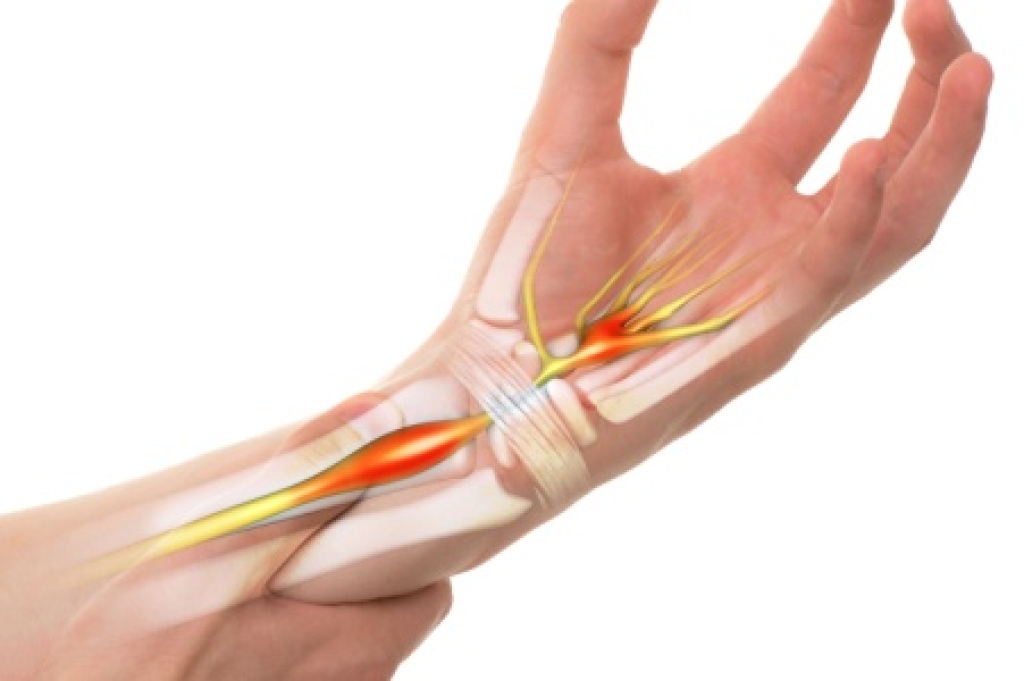
Carpal tunnel syndrome is a nerve condition that affects the hand and wrist. It develops when pressure is placed on the median nerve as it passes through the carpal tunnel, a narrow passage in the wrist. This nerve controls sensation and movement in parts of the hand, so compression can interfere with normal function. Carpal tunnel syndrome often develops gradually and is frequently associated with repetitive hand use and wrist positioning. Understanding how this condition forms is important for early recognition and proper care.
Symptoms of carpal tunnel syndrome often begin with mild discomfort and progress over time. Many individuals report pins and needles sensations, numbness, and tingling in the thumb, index, middle, and part of the ring finger. A key feature is that the little finger and half of the ring finger are not affected. Night time pain is common and may disturb sleep. Weakness in the hand and a tendency to drop objects can also develop as the condition advances.
The primary cause of carpal tunnel syndrome is increased pressure within the wrist that compresses the median nerve. This can occur due to repetitive movements, prolonged wrist flexion, or swelling within the tunnel. Arthritis may contribute by causing joint inflammation, while pregnancy and hormonal changes can lead to fluid retention that increases pressure. These factors can narrow the space in the wrist and irritate the nerve, leading to persistent symptoms.
Risk factors include repetitive hand use, poor ergonomic positioning, pregnancy, and conditions that cause inflammation or fluid retention. Individuals who perform detailed hand work or spend long hours typing may be more susceptible. Early management can help prevent progression and improve function. If you have symptoms of carpal tunnel syndrome, it is suggested that you consult a chiropractor to explore effective relief and management solutions.
Carpal Tunnel Syndrome
Carpal tunnel syndrome, or CTS, is a condition caused by compression of the median nerve, which runs through the carpal tunnel in the wrist. This tunnel is a narrow passageway surrounded by bones and ligaments, and when it becomes compressed or inflamed, it can put pressure on the nerve. Symptoms of CTS include tingling, numbness, weakness, and pain in the hand and fingers, often making simple tasks difficult and uncomfortable.
Chiropractic care offers a non-invasive approach to managing CTS by addressing alignment and reducing nerve pressure. Chiropractors start by evaluating the wrist, elbow, and even the cervical spine or neck, as misalignments in these areas can contribute to nerve compression in the wrist. Through gentle adjustments, chiropractors can improve the alignment of the wrist and spine, helping to reduce the pressure on the median nerve.
In addition to adjustments, chiropractors may use soft tissue therapy, such as stretching and myofascial release, to reduce inflammation surrounding the wrist and enhance mobility.
Why Consider Chiropractic for CTS?
Chiropractic care can provide lasting relief by targeting the root causes of CTS, reducing pain, and promoting long-term hand and wrist health.
Can Chiropractic Care Address Repetitive Strain as a Cause of CTS?
Chiropractic care can help manage repetitive strain by improving joint alignment and recommending ergonomic adjustments.
If you have any questions, please feel free to contact our office located in Columbia MO .
